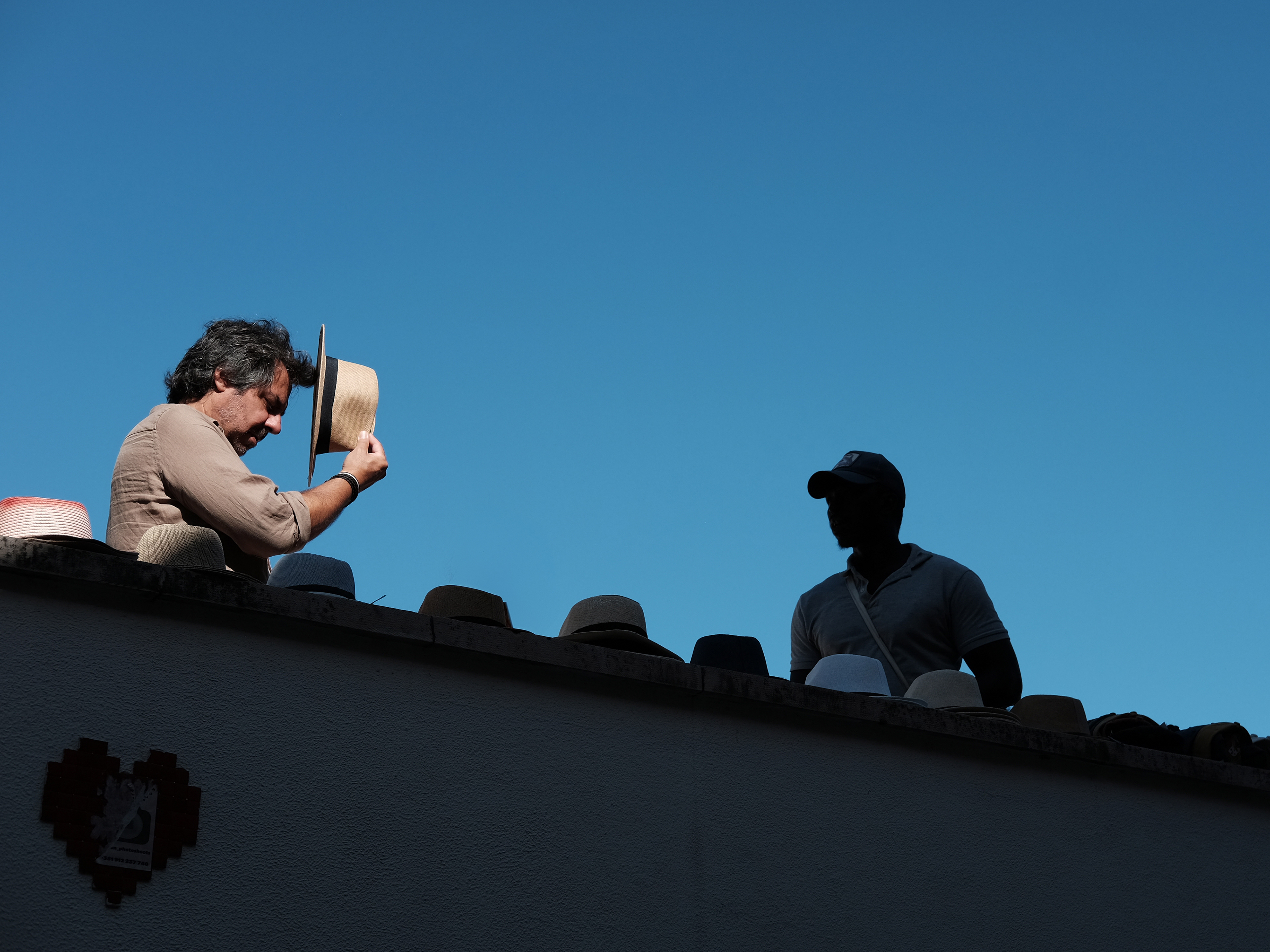
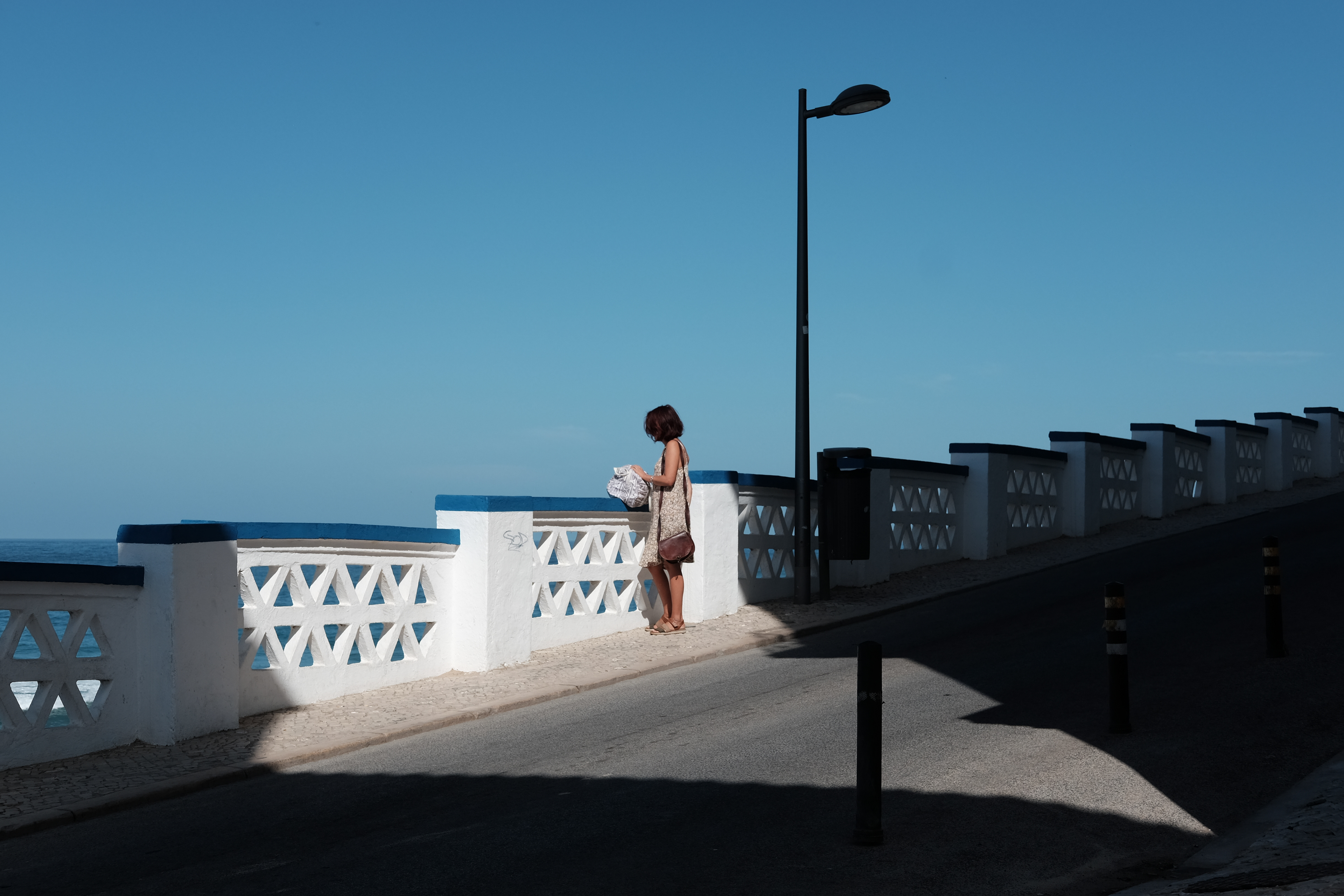
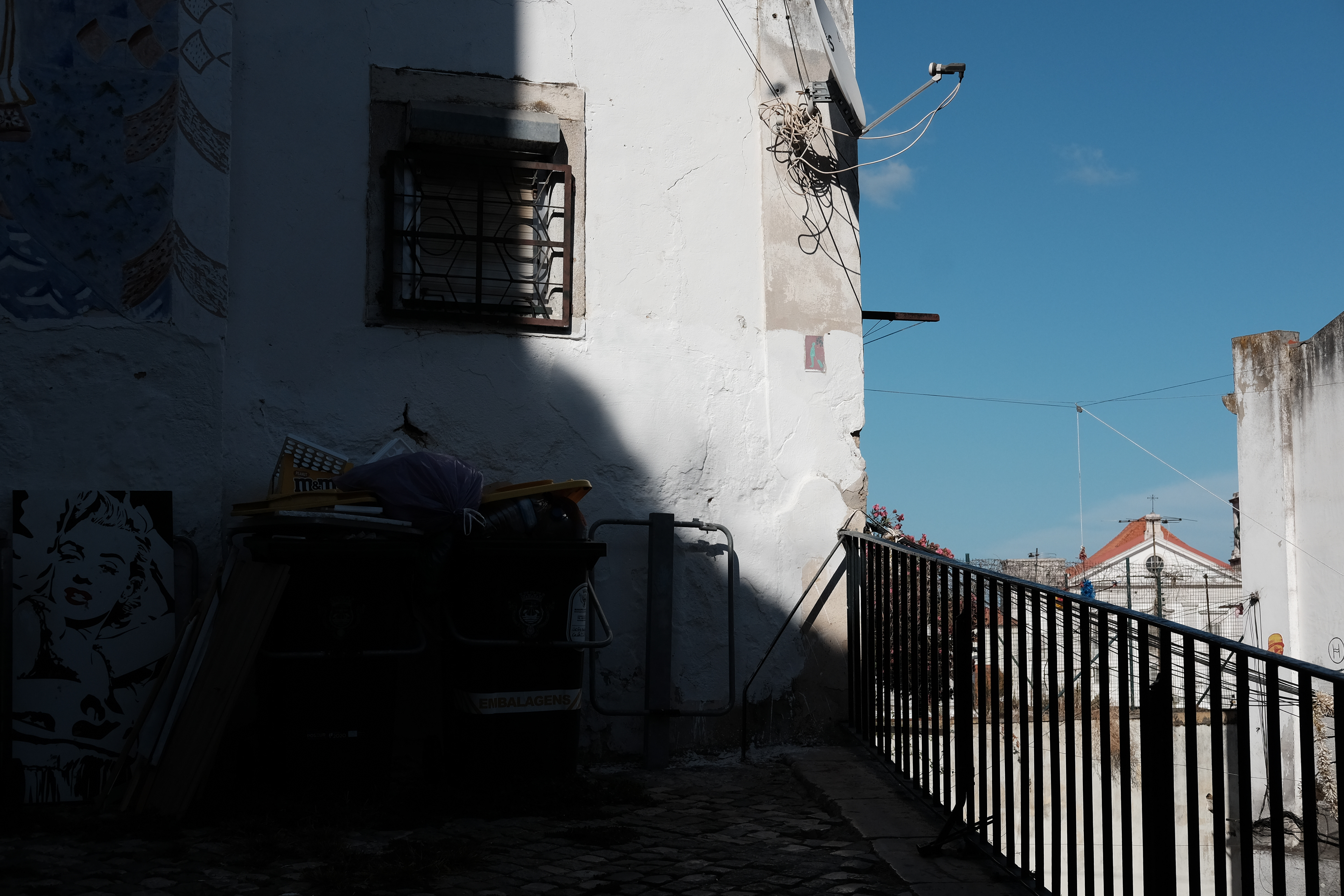
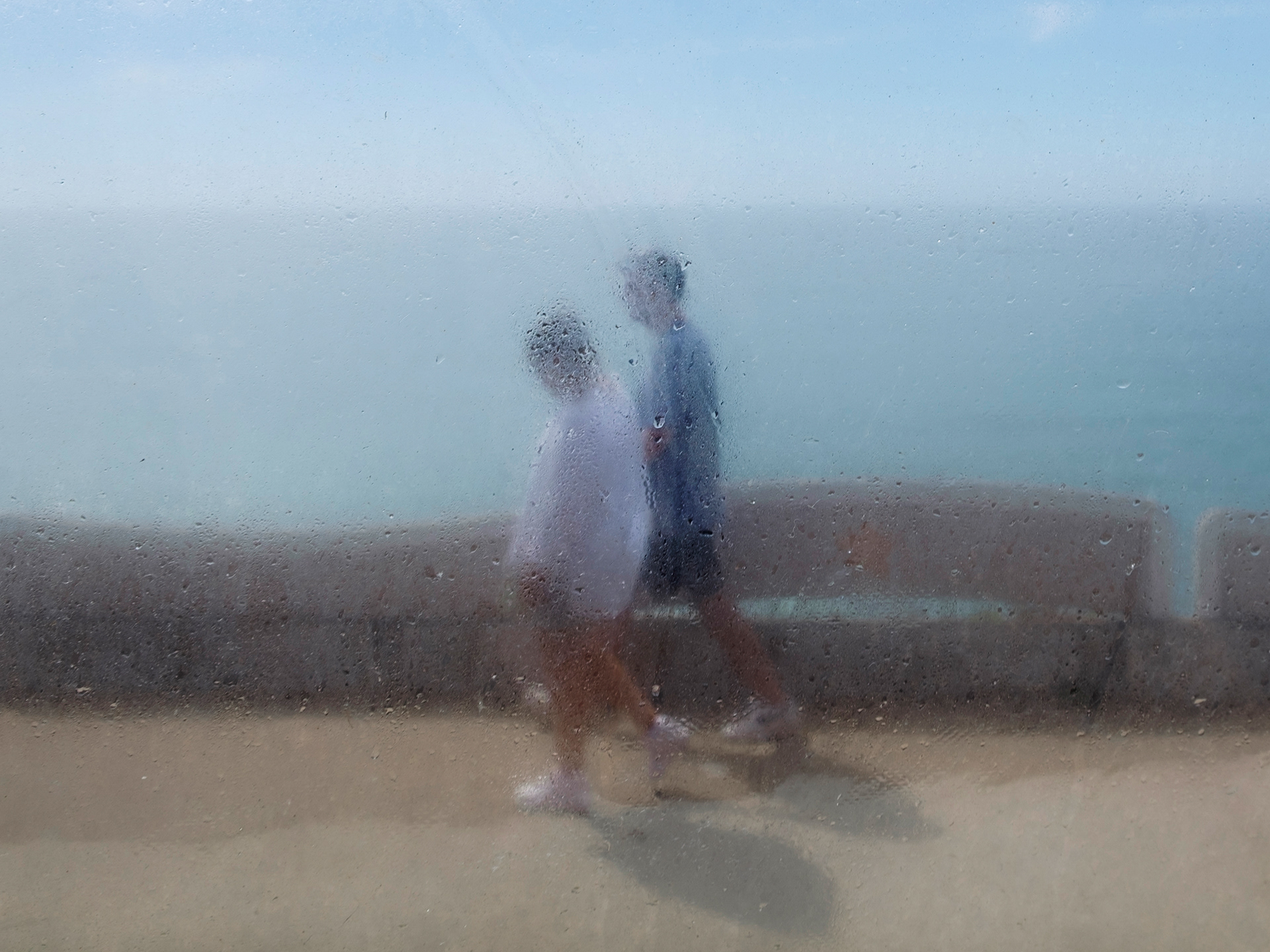
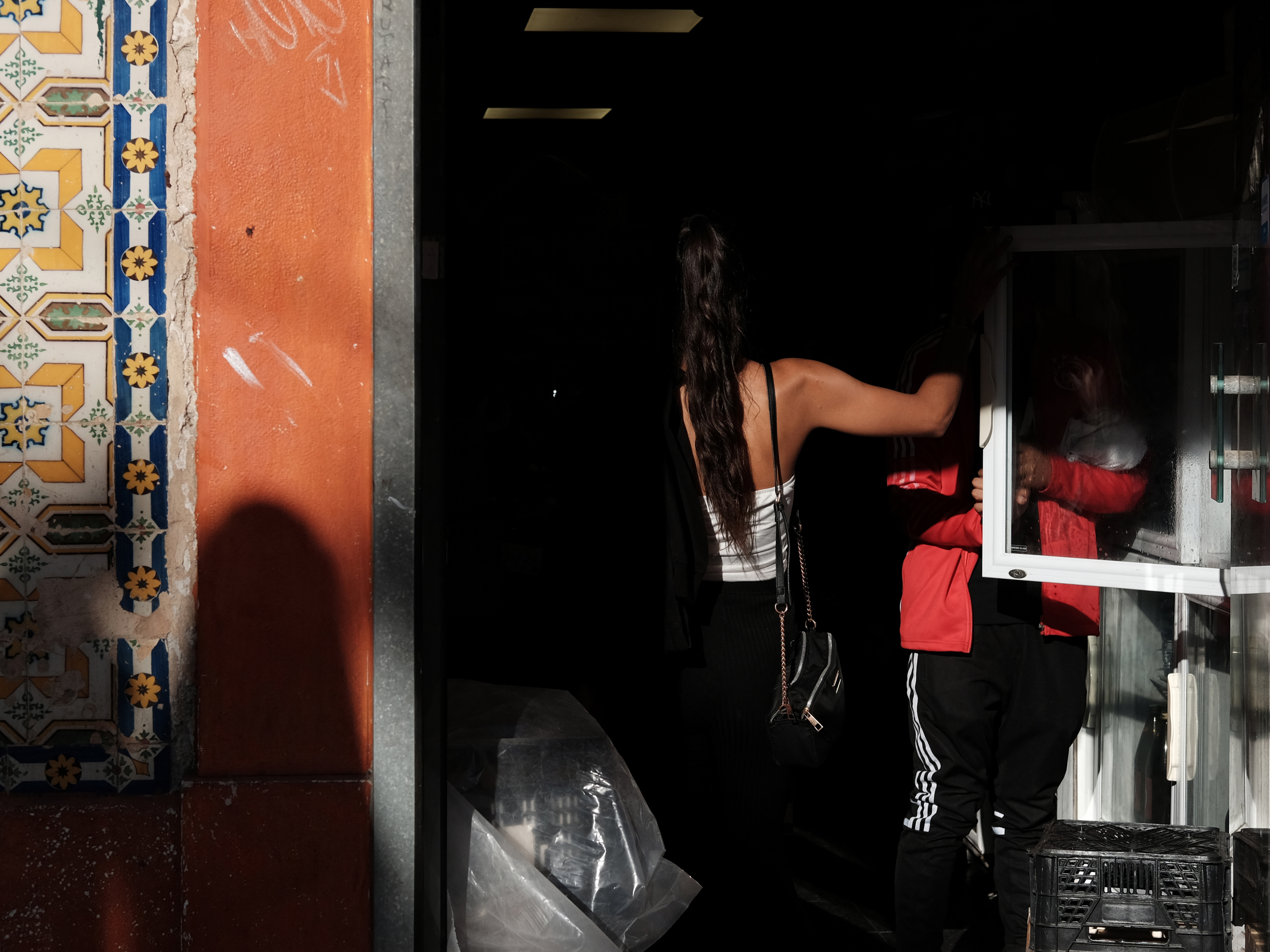
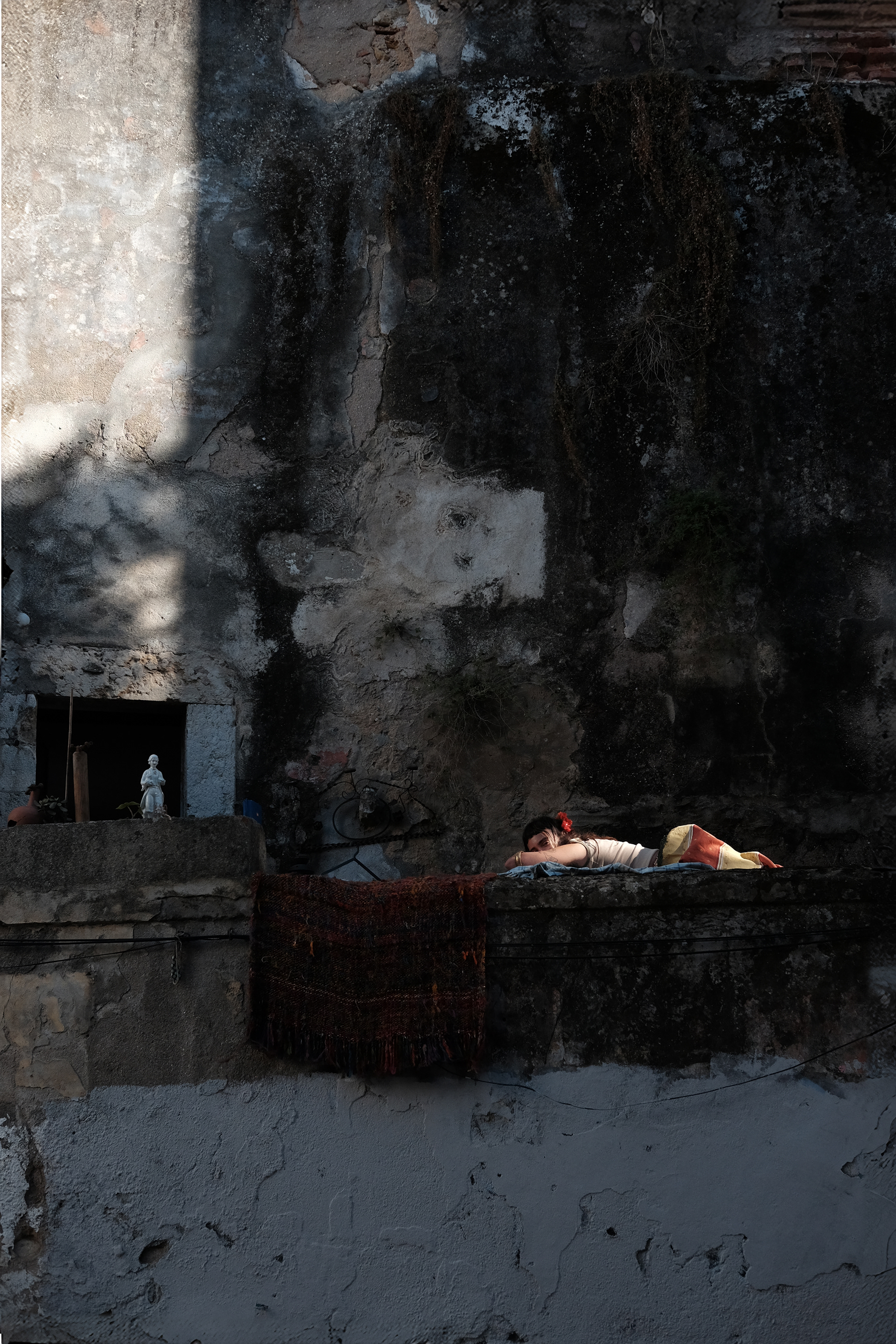
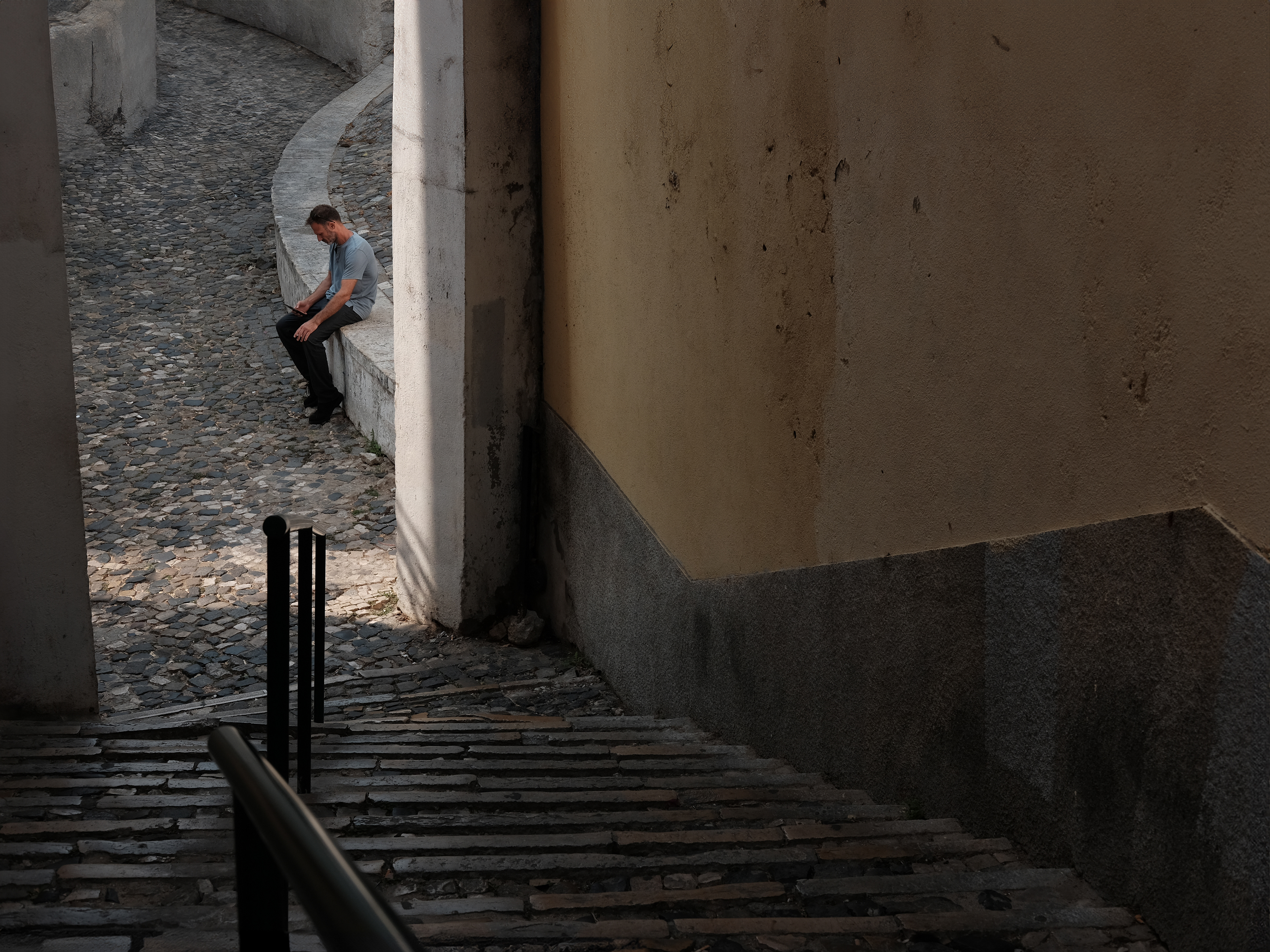
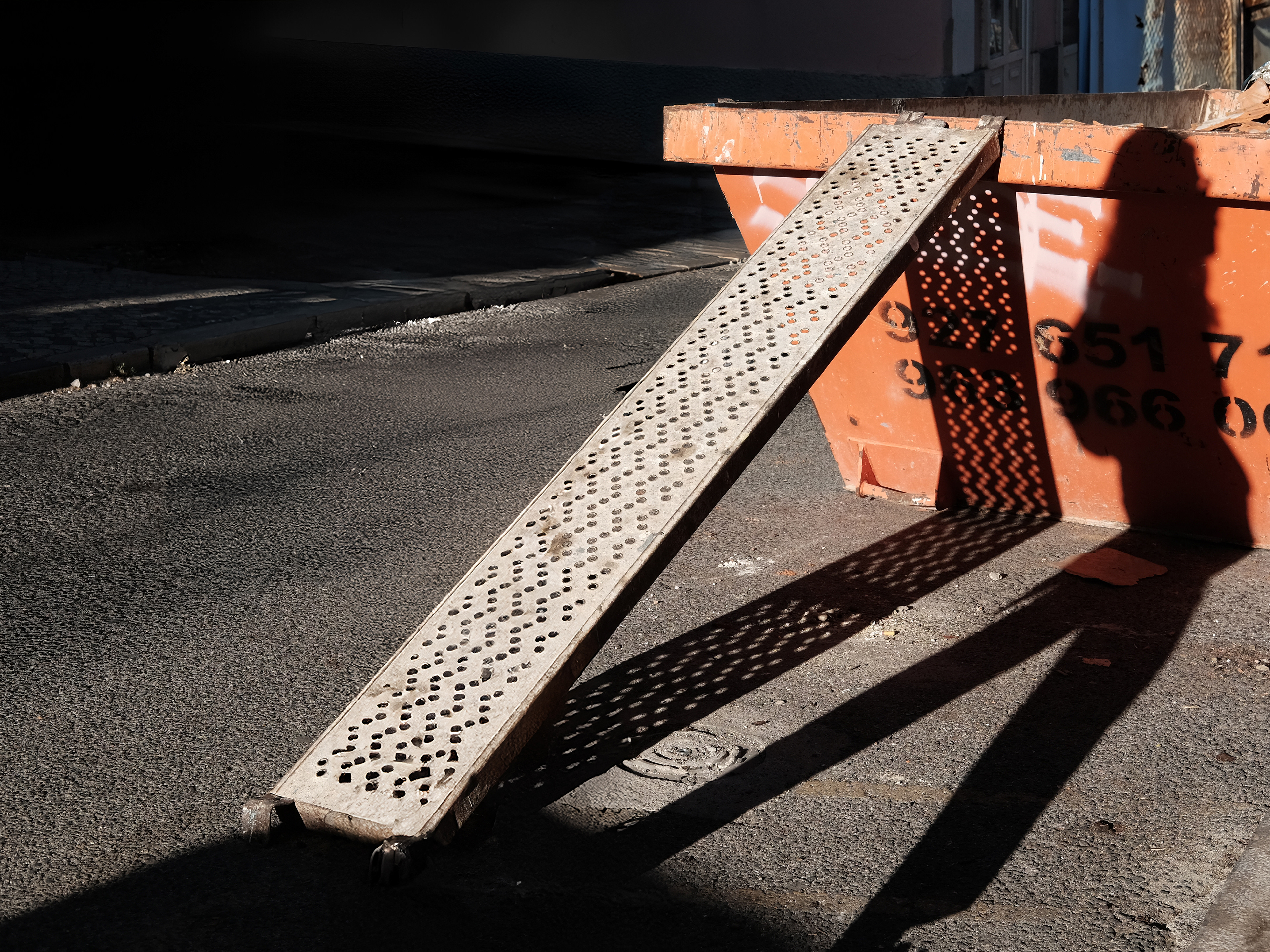
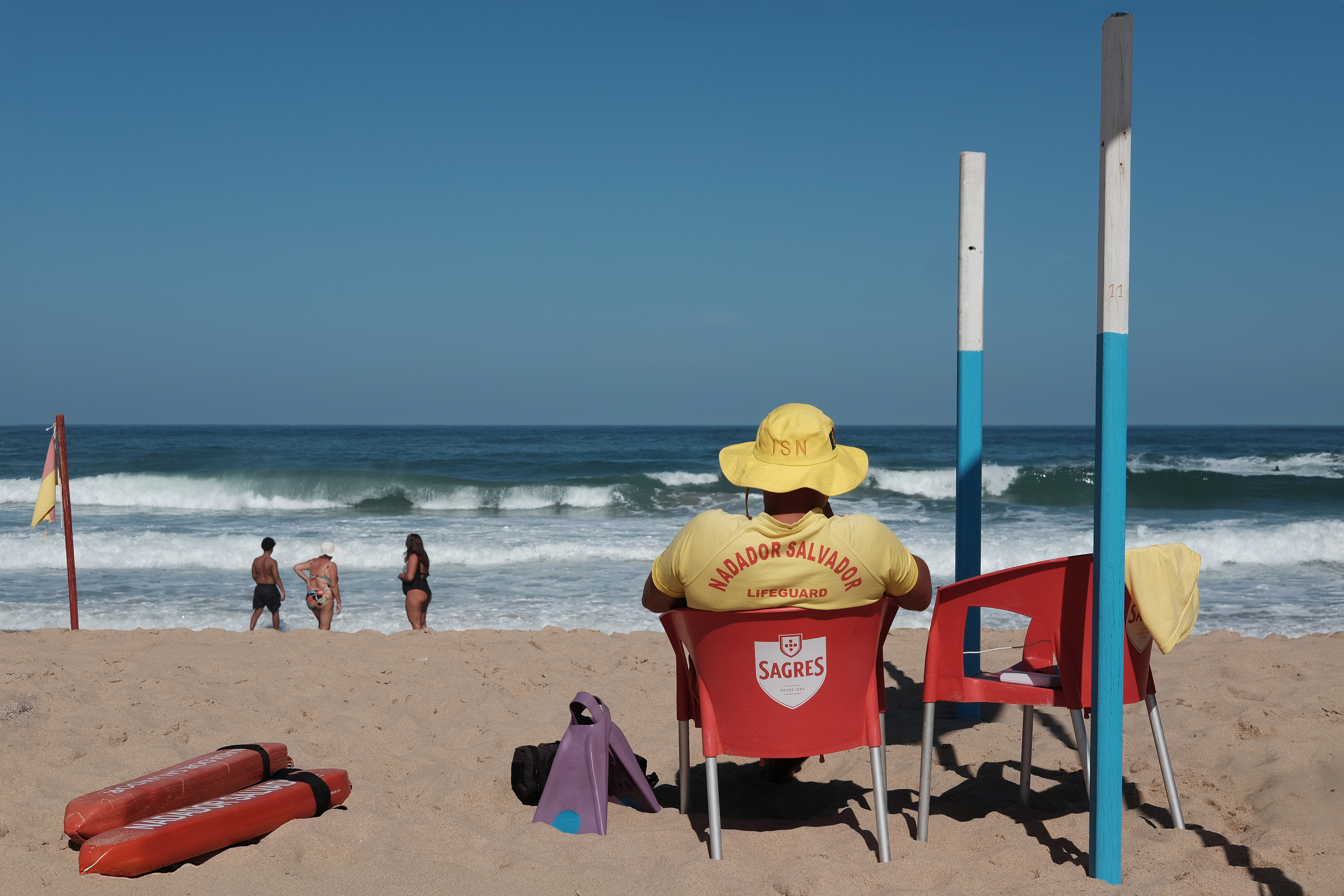
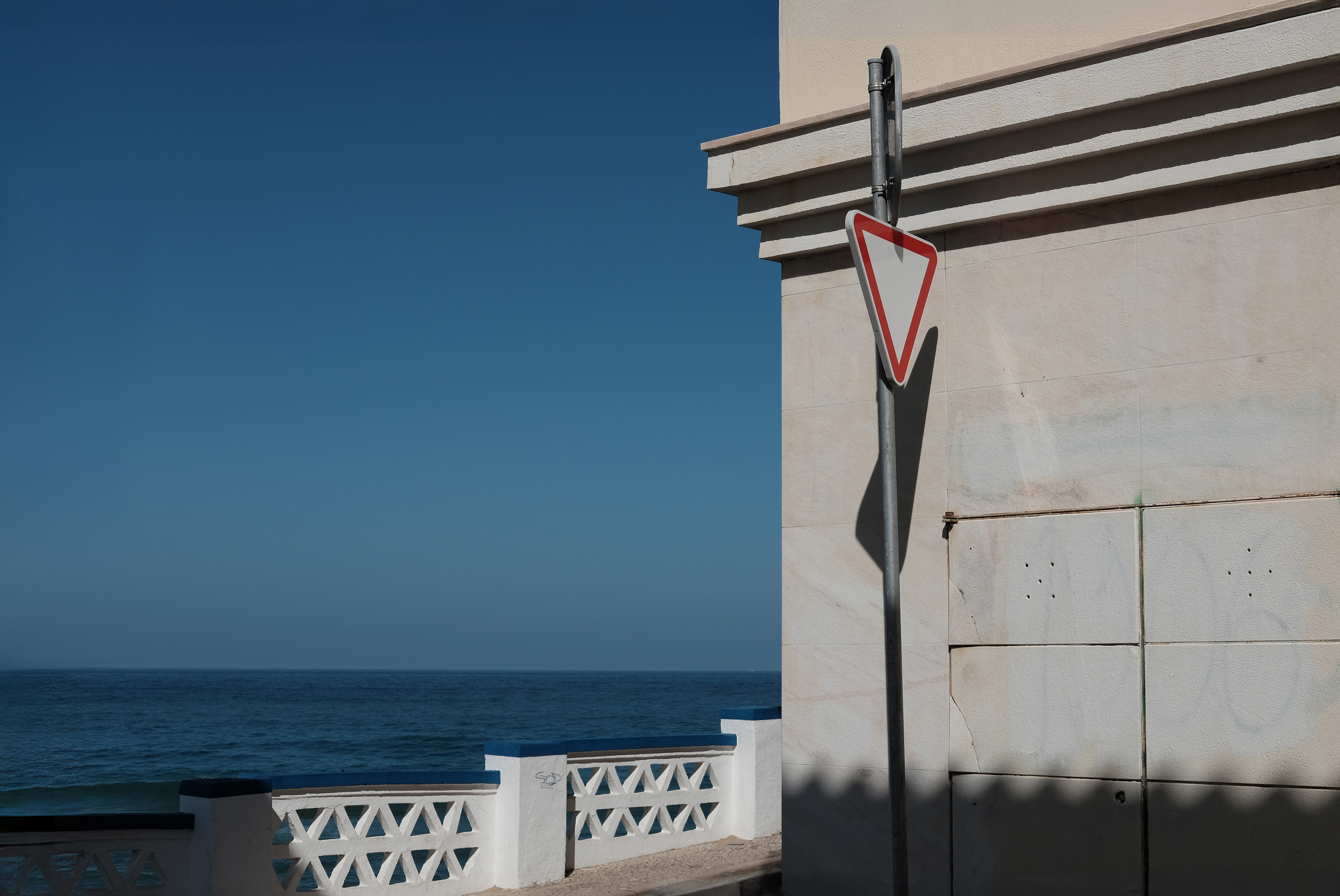
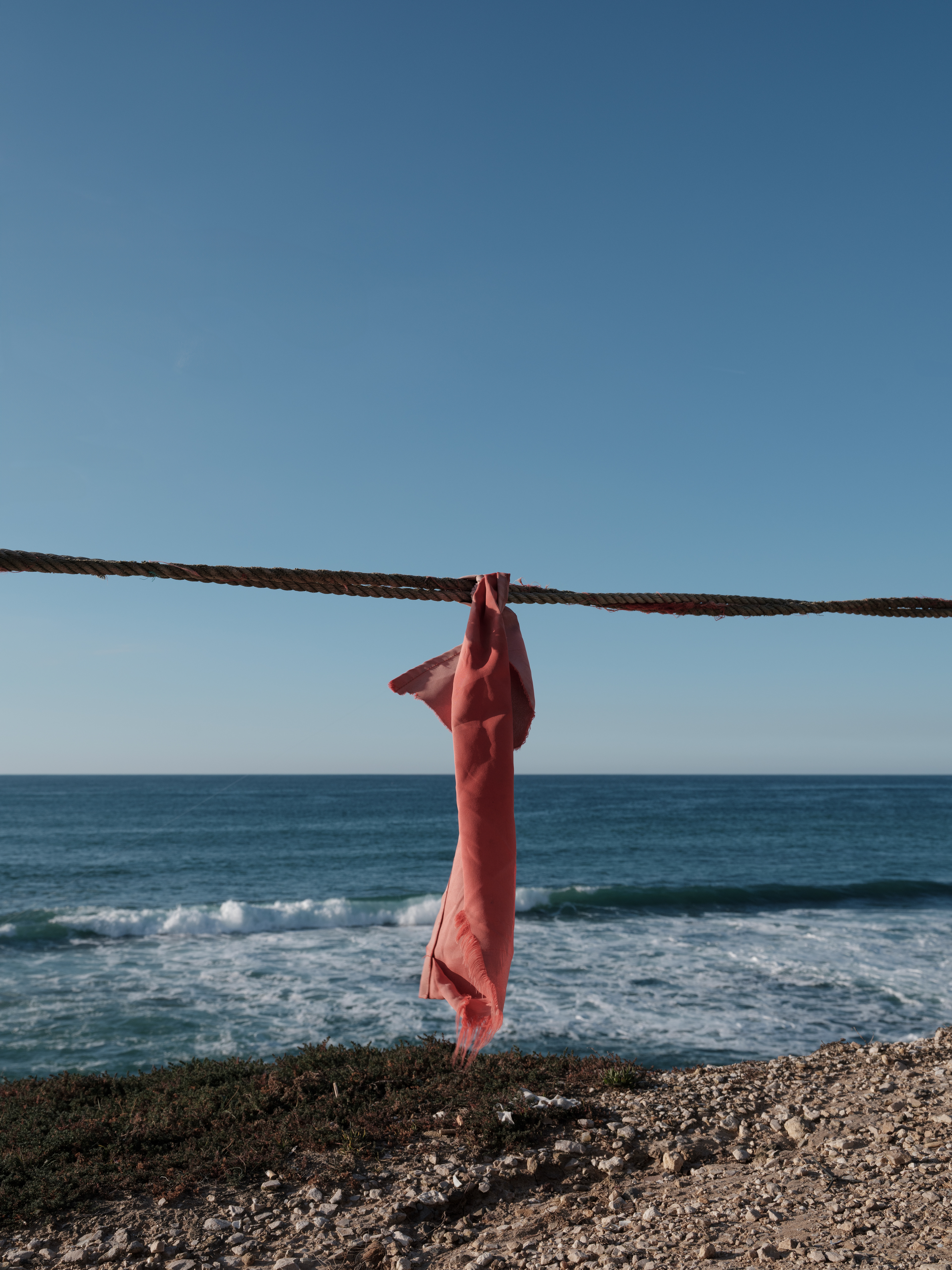
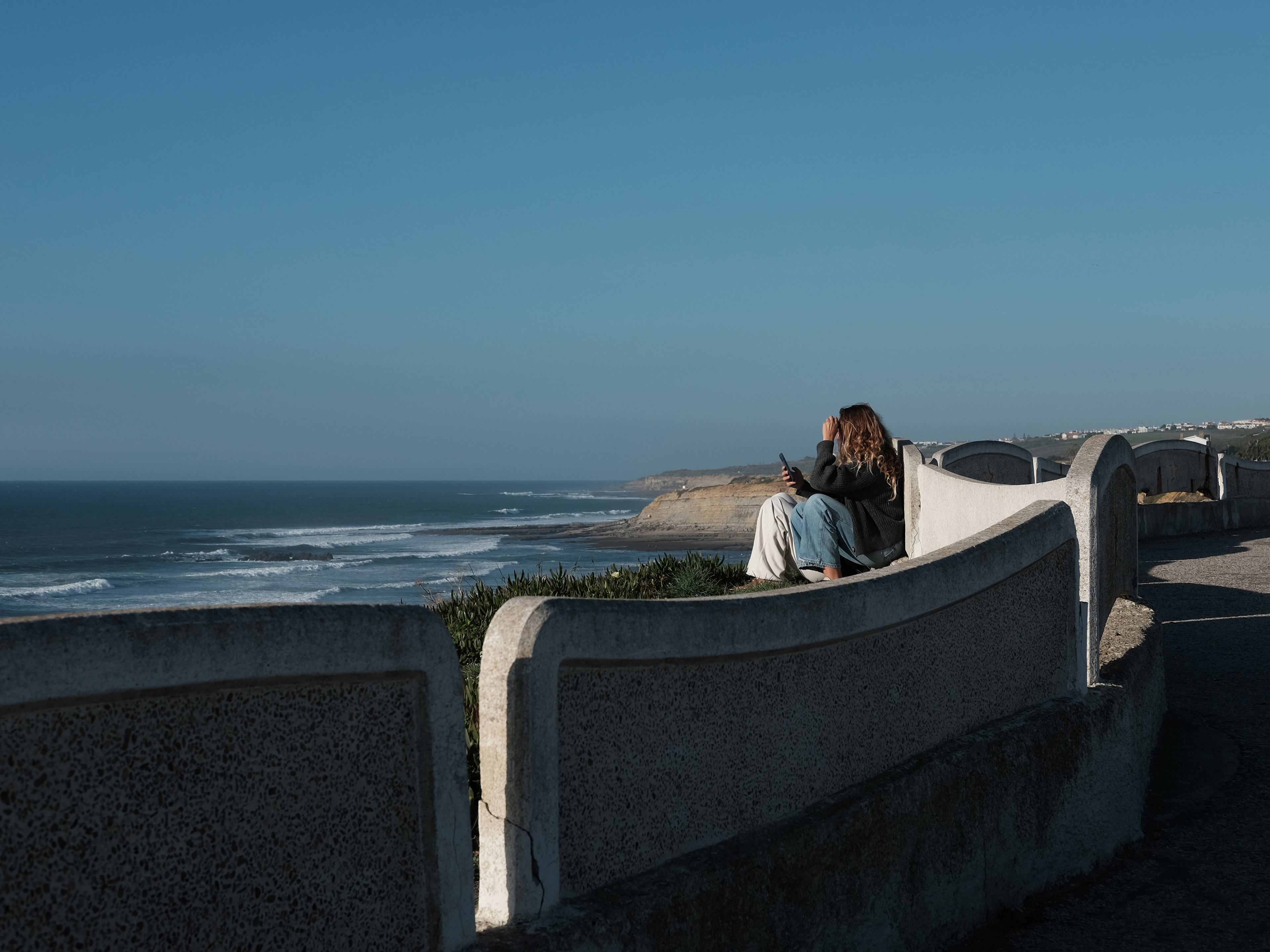
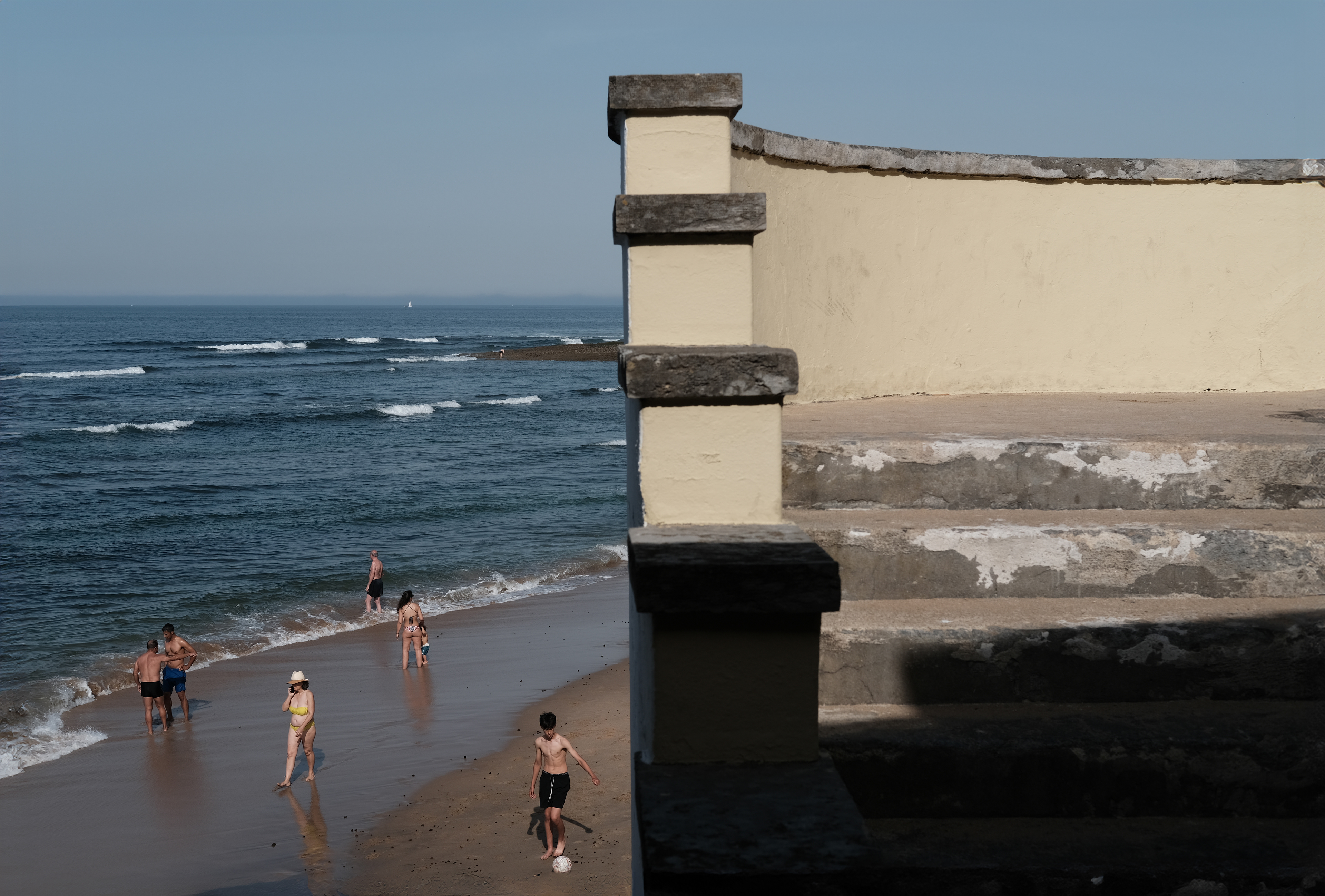
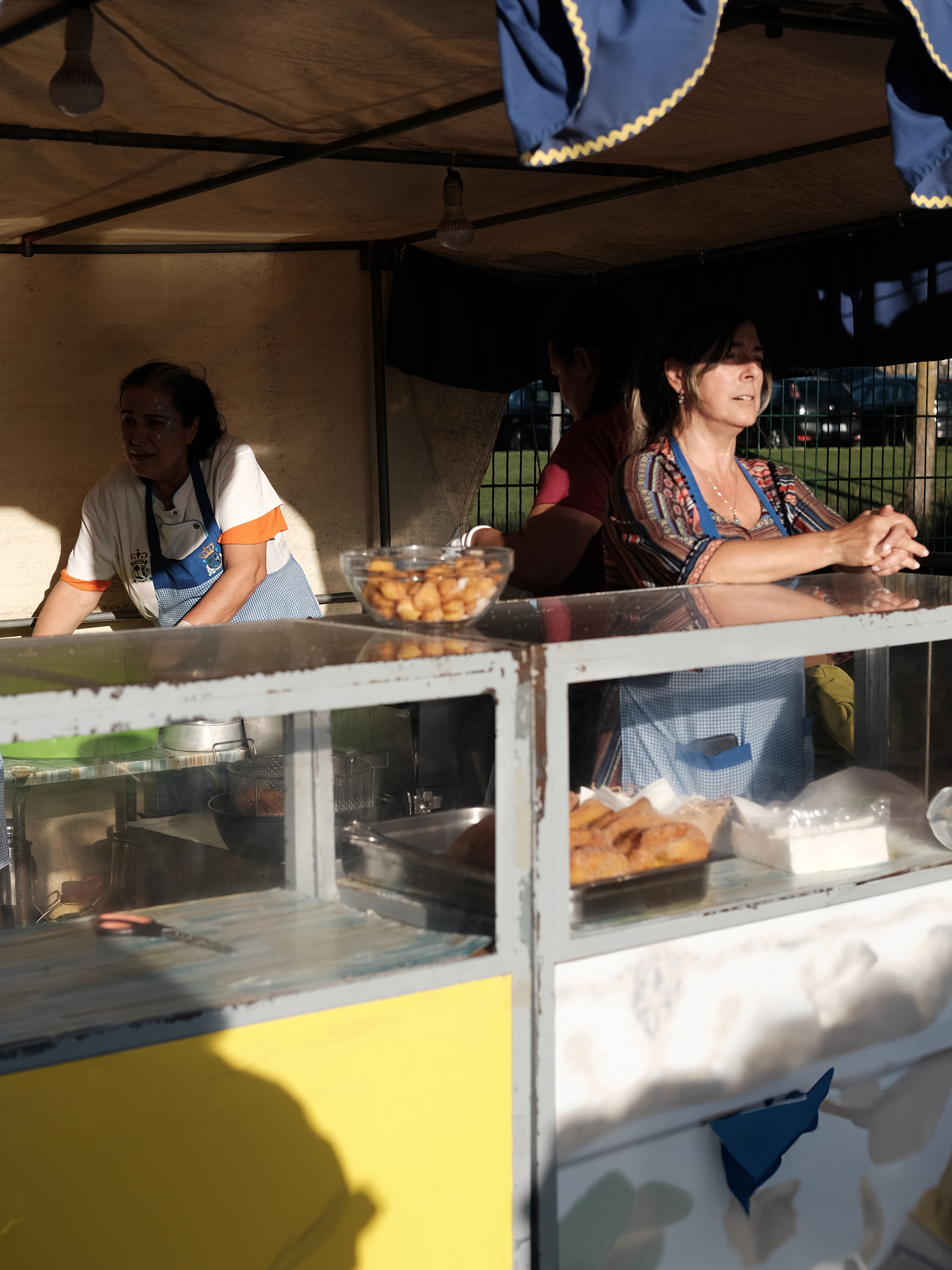
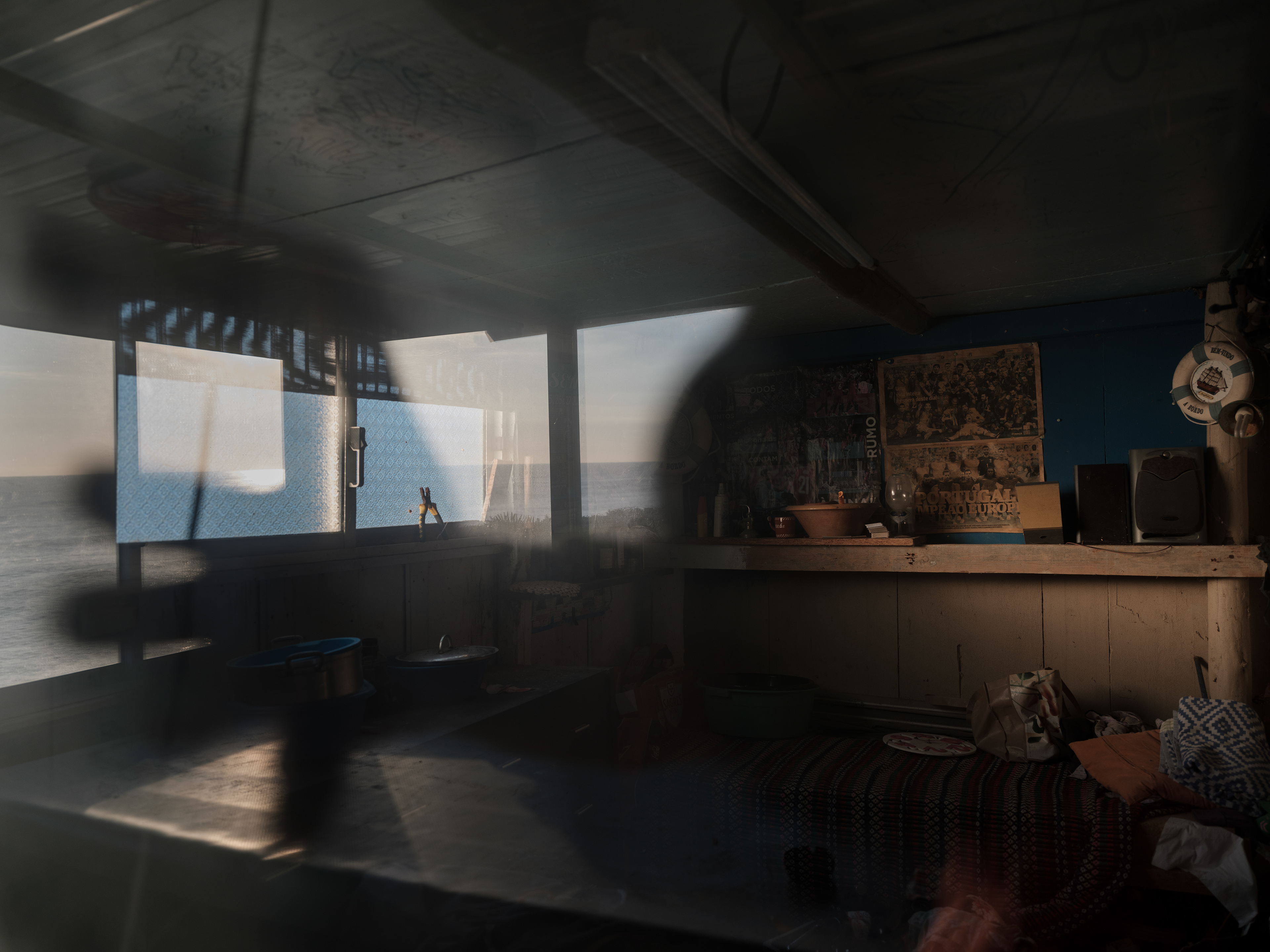
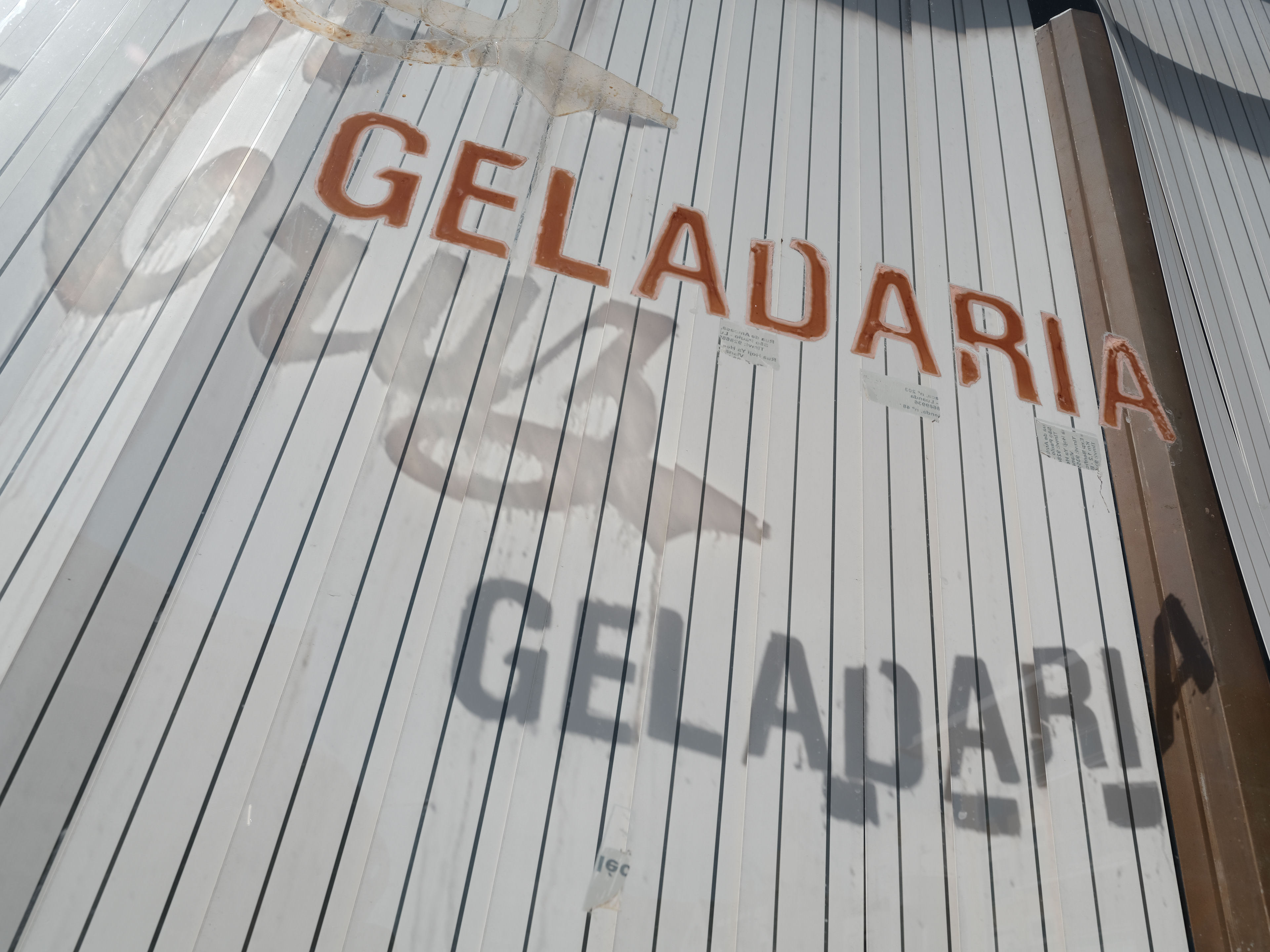
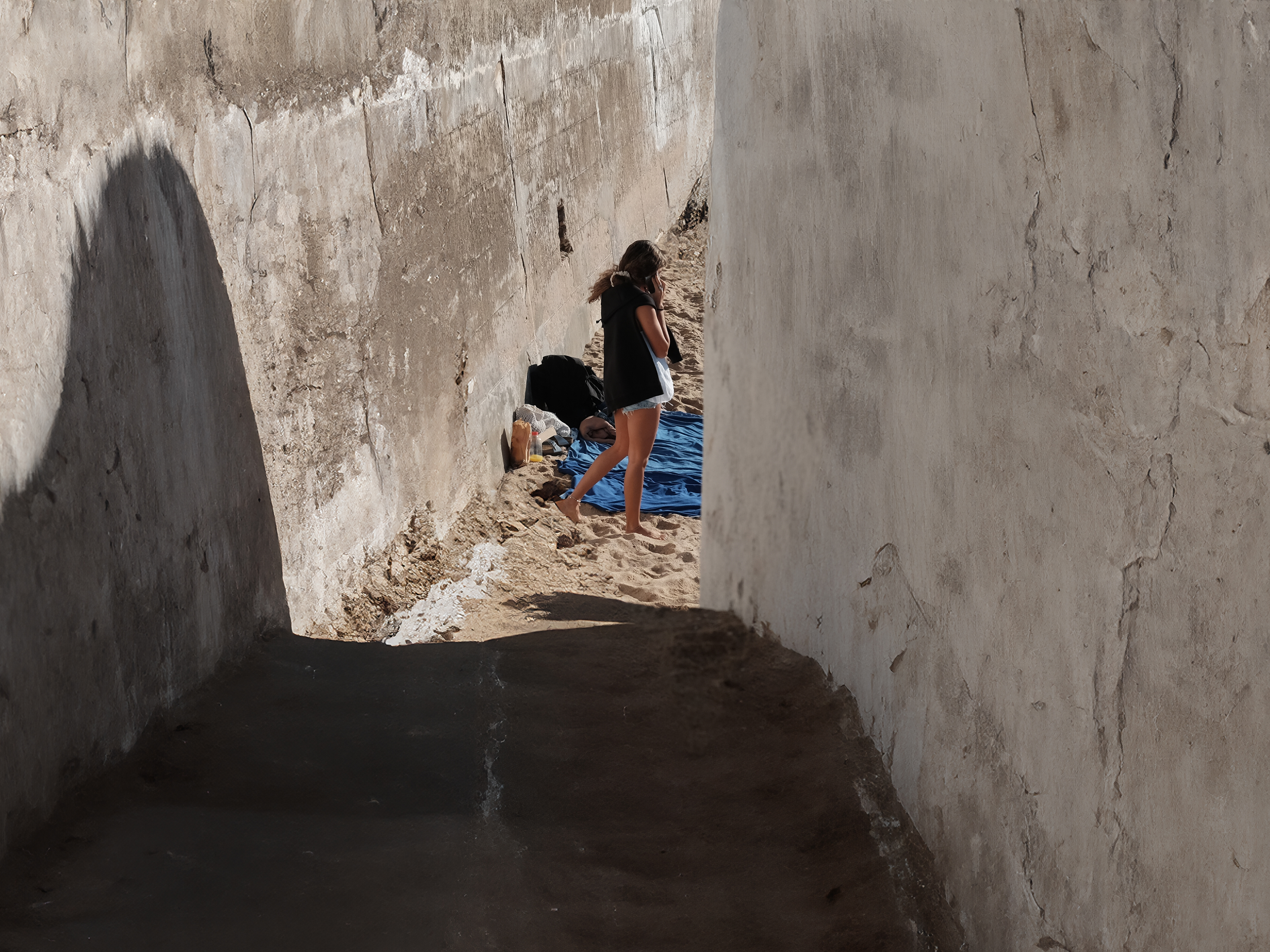
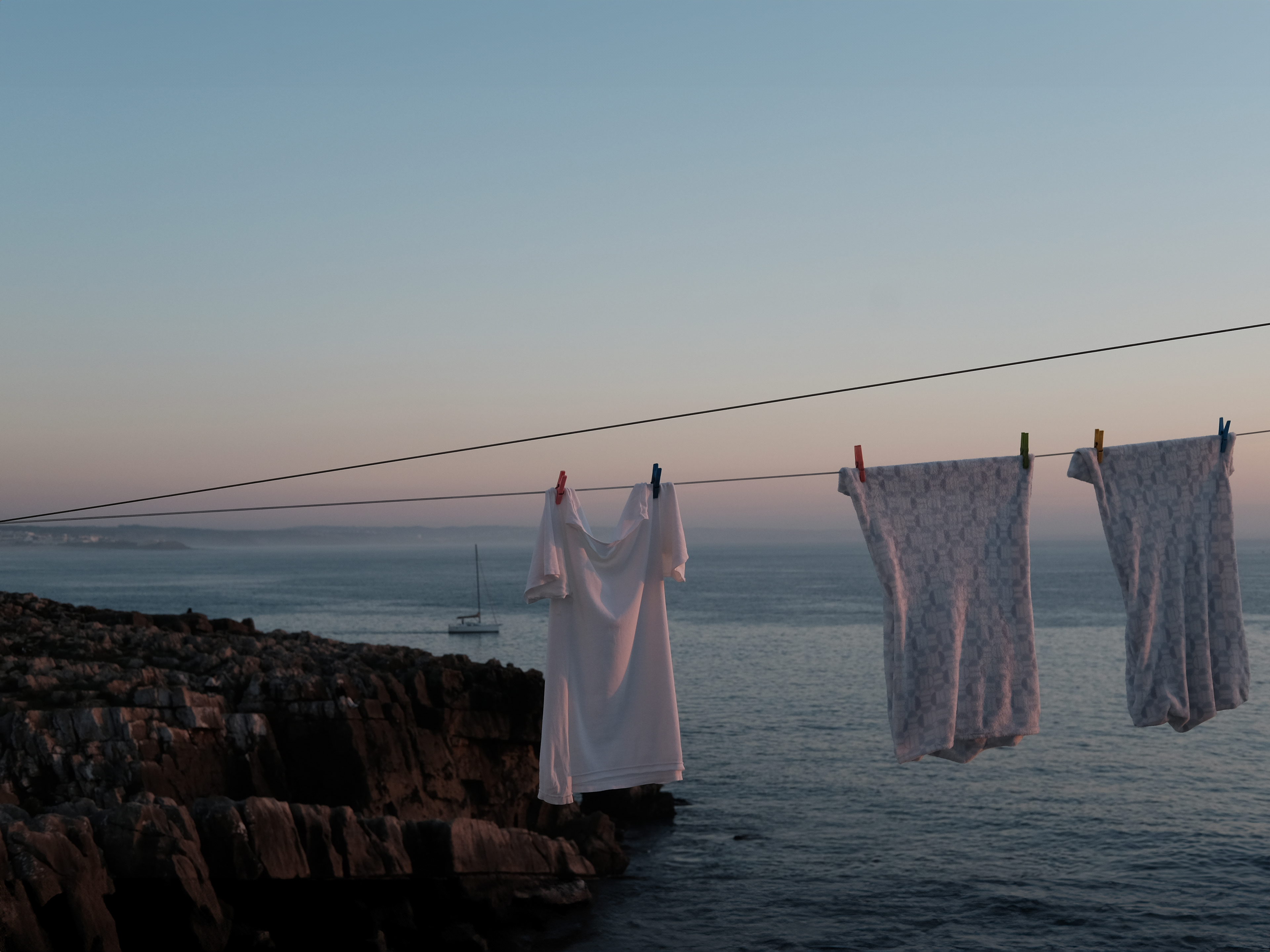
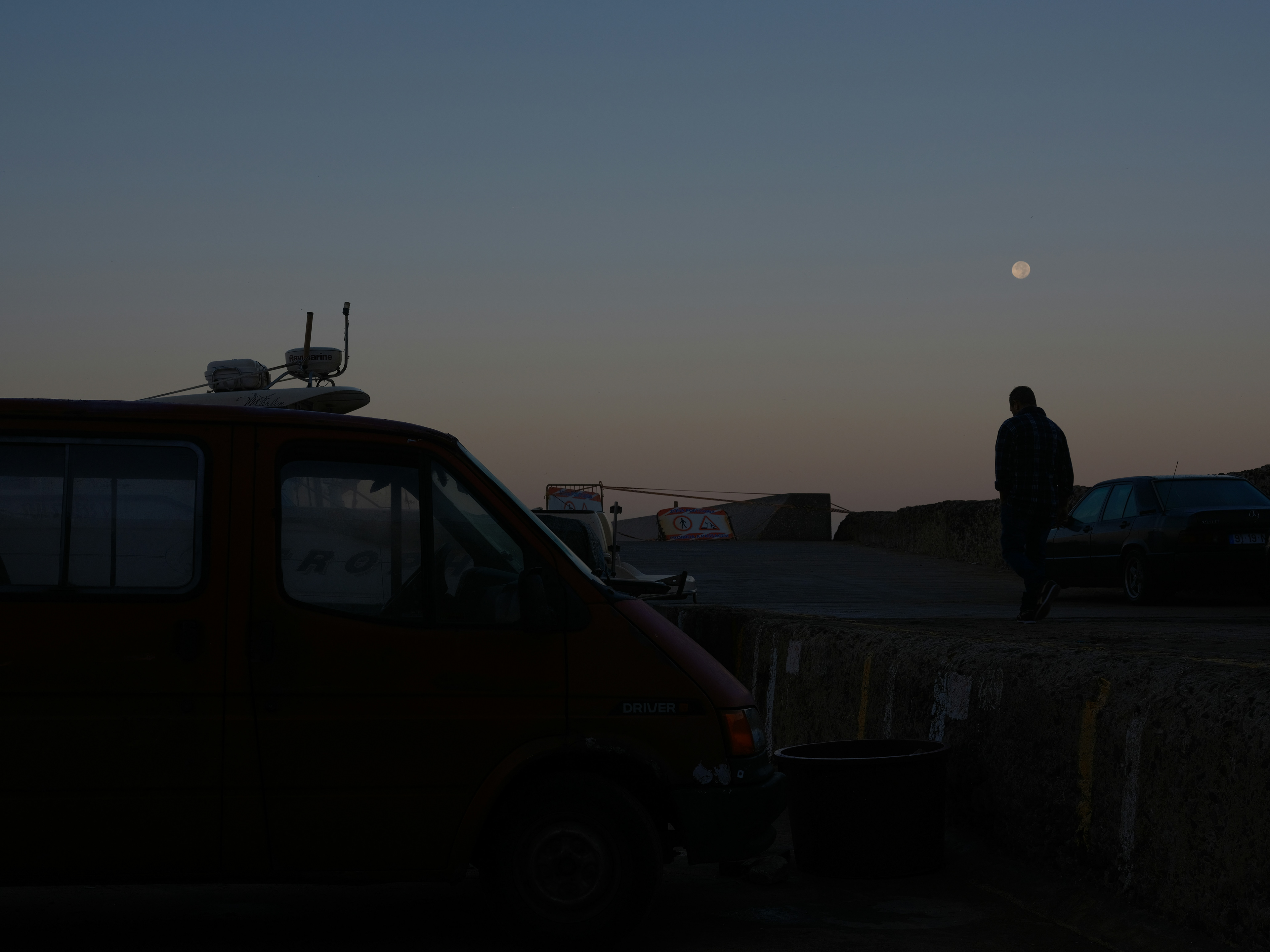
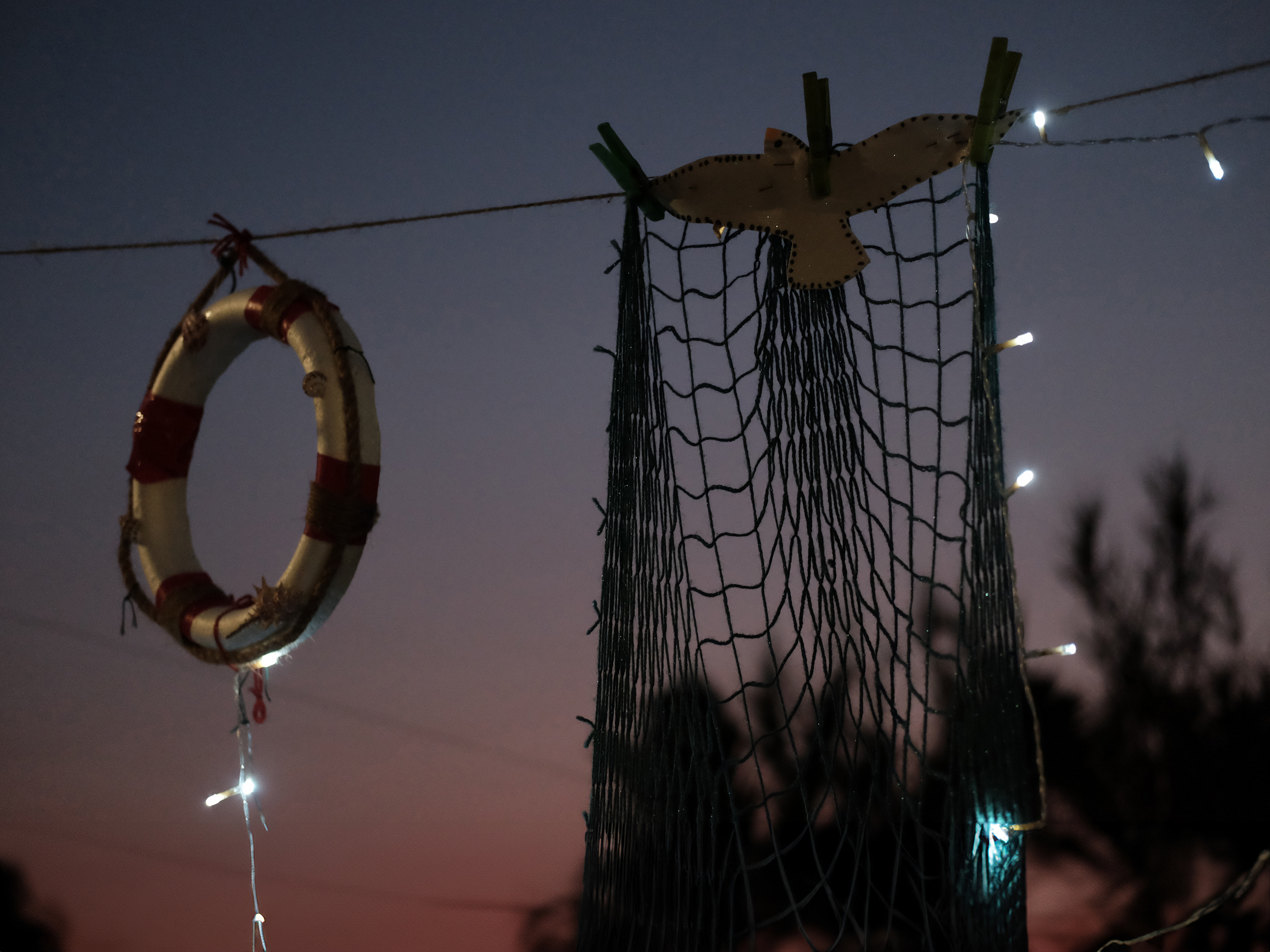
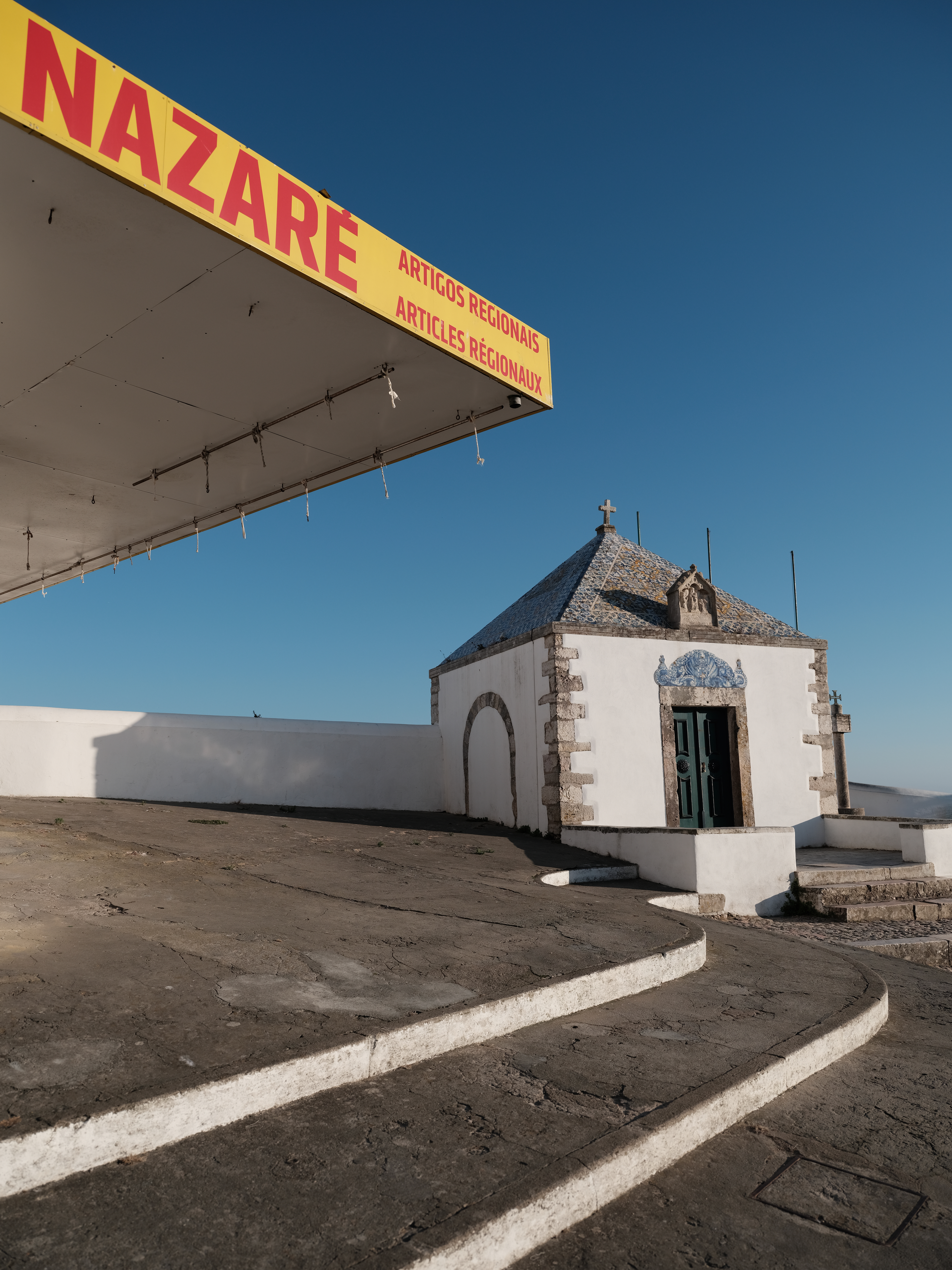
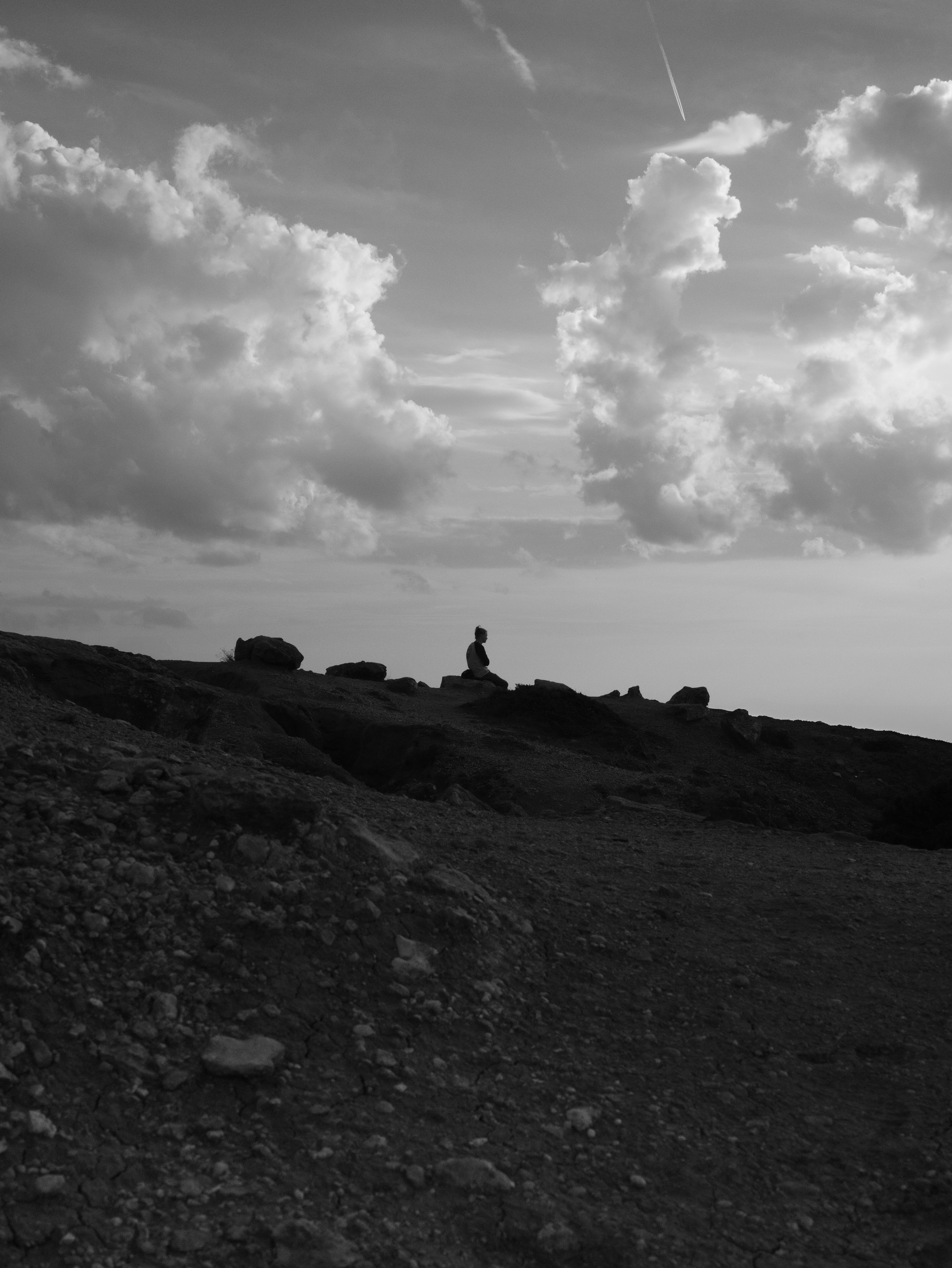
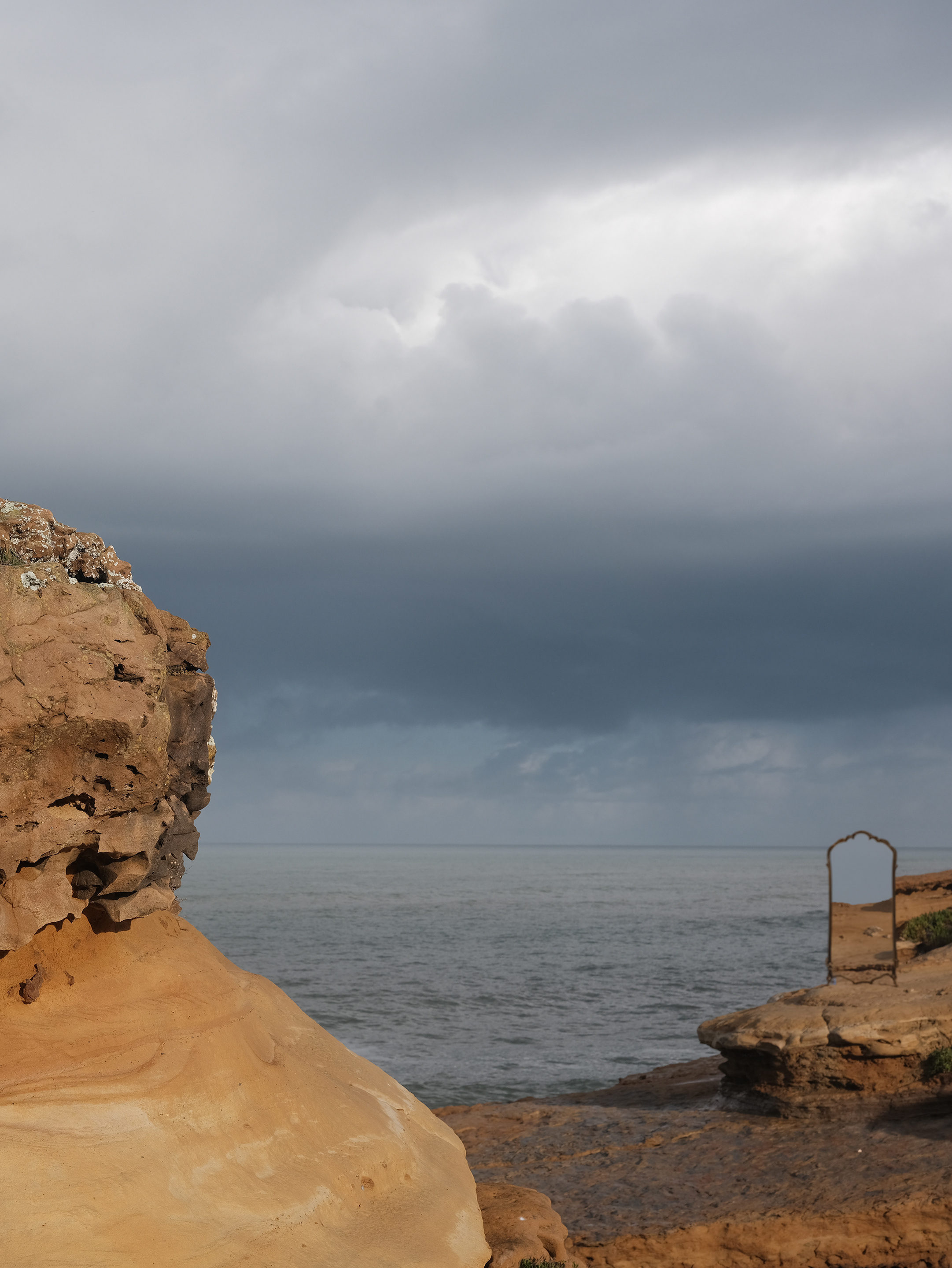
The calendar calls three months summer and considers the matter settled. People, as usual, introduce exceptions. For some, summer means sitting under a yellow parasol looking at the sea; for others, it means spending the day on the wrong side of a counter selling ice cream to people who are on holiday. Some look for shade, some hang out washing, some work by the beach without ever quite getting to use it, some cross a whitewashed street as quickly as circumstances allow, and some discover that a cool wall can make a perfectly respectable seaside facility. In Summerfold, I gathered these small discrepancies between summer as advertised and summer as actually lived: the sea seen from a distance, half-hidden bodies, awnings, ice-cream shops, washing in the wind, façades where the heat seems to have arrived before the people. Summer has an unfairly uniform reputation. In advertisements, everyone is barefoot, tanned, available and twenty metres from transparent water; in real life, someone is working, someone has lost the shady spot, someone is sitting in the car, someone is serving everyone else’s lunch, and there is always one person whose relationship with August consists mainly of asking what time the temperature is supposed to drop.